Rat problems cost businesses dearly. Invest in a digital pest solution where we actively control rats on your property.

In Valby, as in many other urban areas, pests can present a significant challenge for both businesses and properties. Rats are particularly problematic, as they can cause extensive damage to buildings and infrastructure while also posing a health risk. Professional pest control is therefore essential to ensure a healthy, safe environment in Valby.
Rats often find their way into buildings through small cracks and sewer connections, where they establish themselves in basements, walls and other hidden areas. The sewer systems in Valby can also be invaded by rats, which can lead to blockages and structural damage. These problems are particularly common in densely built-up areas, where rats easily find food and shelter.
To handle rat problems effectively it is important to seek professional help. Rattech offers specialised solutions covering inspection, control and prevention. By using a subscription-based model, we can ensure continuous monitoring and prevention, which is crucial to minimising the risk of future rat infestations.
The underground pipe system works as one connected network in which rats in the sewer move easily between manholes, service connections and main lines. The temperature is relatively stable all year round, and moisture together with constant access to organic material creates optimal living conditions. When a single pipe has a crack, it creates not only an entrance to the surface but also an air route the rats use to orient themselves. If a joint shifts by a few millimetres, the sewage can carry food residue with it and form a natural larder, increasing the chance of a colony holding the territory. That combination of food, shelter and high humidity explains why sewer systems frequently serve as a base for rats spreading further.

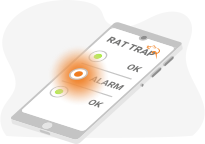
The impact is detected instantly and the rat can be removed within the desired time frame.

You comply with all relevant laws and regulations and get quality assurance of your rat control.

Rat control directly improves your ESG reporting.

You are joining a non-toxic and environmentally friendly pest control programme.

Signs of rats:
When rats in buildings establish runs behind wall panels or below floor level, their gnawing often weakens structures around pipe penetrations and cable trays. Crackling sounds from cavity walls occur as they look for new routes, while dark smudge marks close to panels come from the greasy secretion in their fur mixed with dust. The smell of ammonia intensifies in poorly ventilated plant rooms, because urine evaporates slowly on the cool surfaces. Fine gnaw marks on plastic packaging in storage areas signal that access to food sources is already established. These physical indicators appear gradually, but the process can accelerate if a pipe burst gives the animals easy access to fresh water and thereby improves living conditions in the indoor environment.
A rat infestation rarely develops in a linear way; the reproduction rate of rats turns small populations into a considerable problem within a few weeks. Consistent monitoring combines digital recording with regular visual inspection and acts as active prevention, because the data reveals changes in activity early. Temperature rises in trap boxes or repeated movement registered by sensors can point to new breeding sites before they are fully established. Monitoring data provides the basis for informed choices about trap placement, bait selection and the interval between service visits. A focused prevention programme thereby reduces both financial losses and hygiene risks before they reach a critical level requiring drastic intervention.
When drainage structures are reinforced with non-return valves or mechanical barriers, climbing rodents are prevented from getting up through the soil stacks. Likewise, steel mesh in ventilation openings and sealing of expansion joints reduce the risk of lateral breakthroughs. The structural gain of rat-proofing lies in removing access routes rather than dealing with the problem after entry. Combining materials with high gnaw resistance and accessible inspection points creates an environment where maintenance stays manageable and weak points are located quickly. More property managers choose to integrate rat-proofing into general building operations, since a protective layer implemented once reduces the need for emergency measures and minimises operational disruption.
Even with robust structures and systematic maintenance, a breakthrough can occur when external factors such as heavy rainfall put pressure on the sewer system and push rats towards dry installations. Rat control becomes necessary as soon as the biological indicators show a stable presence: droppings increase in concentration, sound recordings reveal high activity peaks at night, and the rate of gnawing on cables rises. At this stage, a professional effort focuses on the core area of the population, where reproduction takes place, in order to break the cycle that otherwise doubles the numbers every six weeks. At the same time, the influence of environmental factors such as moisture and temperature is assessed, since these parameters determine which methods achieve the fastest reduction without undue strain on the surrounding ecosystem.
When a maintenance technician discovers water ingress through a pressure relief valve or notices an extreme stench in a production area, the situation calls for a response time measured in hours rather than days. Emergency rat assistance starts with a targeted risk assessment of sensitive installations such as electrical cabinets, server rooms and process lines, in order to limit immediate loss of function. A rapid location survey is then carried out using a thermal camera or smoke testing to identify breach points that can be sealed temporarily until a more permanent solution is implemented. This sequential intervention limits operational losses and reduces the risk of secondary damage, for example short circuits or contamination of goods in storage. By combining fast diagnostics with immediate containment, stable operation is secured while the longer-term handling is planned.
Rattech offers an innovative approach to pest control in Valby through subscription-based rat traps. This system ensures continuous monitoring and control, which is essential to maintaining a rat-free zone. With regular inspections and updates, we can adapt our strategy to the property’s current needs. This preventive focus reduces the risk of sudden outbreaks and damage, making it a cost-effective solution for businesses and properties.
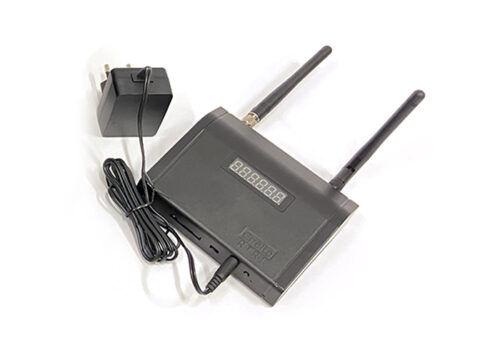
Our holistic approach to rat control in Valby involves thorough inspection, effective treatment and ongoing prevention. Rattech’s solutions range from traditional traps to advanced electronic systems that register and report activity. We work closely with our customers to identify the most exposed areas and implement tailored solutions that ensure long-lasting protection against rats.
Prevention is an important part of our pest control strategy in Valby. We recommend regular maintenance and inspection of both building structures and sewer systems to reduce the risk of rats gaining a foothold. By ensuring potential entry points are properly sealed and that waste is handled appropriately, the risk of attracting rats can be limited. Preventive measures help support the property’s long-term safety and hygiene.
Rat activity can vary with the seasons, and it is important to be aware of these changes in Valby. In winter, rats often move indoors in search of warmth and food, which can increase the risk of infestation. Rattech offers season-based advice and solutions adapted to the specific challenges each time of year brings. This includes adjusting trap placement and choosing the baits that are most effective in those periods.
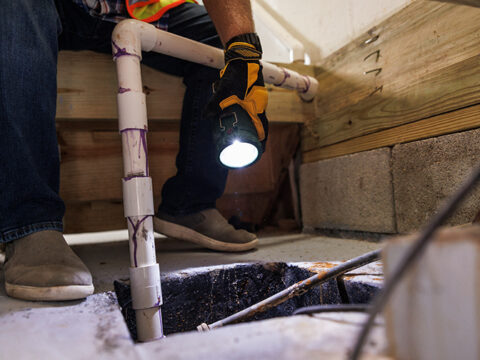
Rats in the sewer can be revealed by signs such as unexpected blockages, unusual smells or noises from the pipes. Professional inspections with camera equipment can also identify rat activity.
The first signs of rats in a building include gnaw and scratch marks, small holes in walls or floors, and dark smudge marks along skirting boards. An unpleasant, ammonia-like smell may also be present.
Professional help should be sought when there are persistent signs of rat activity, such as frequent droppings, noises from cavities or visible damage to the property. Early intervention can prevent larger problems.