Rat problems cost businesses dearly. Invest in a digital pest solution where we actively control rats on your property.
Holbæk, with its distinctive position on the Isefjord, brings a number of challenges when it comes to pest control. The mix of historic buildings and modern development creates an environment where pests such as rats can thrive, especially in sewer systems and basements. Effective pest control is therefore crucial to keeping the town healthy and safe.
Rats are a recurring problem in many urban areas, and Holbæk is no exception. They are often found in buildings and sewer systems, which they enter through structural weaknesses or via the sewers. To control these pests effectively, it is necessary to understand how they get in and what conditions let them thrive. Professional rat control helps identify and remedy these problems.
A professional approach to pest control involves more than simply removing the pests that are there. It is also about prevention and proofing against future infestations. Using solutions such as rat proofing and regular inspections achieves long-term control over pest problems. That matters particularly in areas like Holbæk, where the local geography and building stock can make keeping pests in check a challenge.
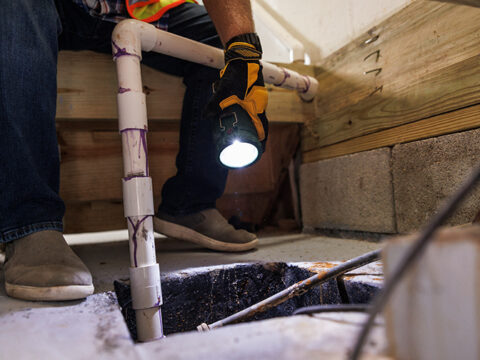
Rats in the sewer are a hidden but serious challenge, because pipe runs give the pests access to both technical installations and sensitive areas underground. As rats move through the sewer network they can gnaw holes in pipes, raising the risk of leaks, backflow and bacterial contamination. They also leave droppings that worsen the microbiological load in the wastewater, which can spread to above-ground systems under pressure during heavy rain. That creates an environment where disease-causing organisms have optimal conditions, and where drainage failures can quickly become expensive for a property. Early mapping of the sewer runs and professional handling limits both the physical damage and the health risks.

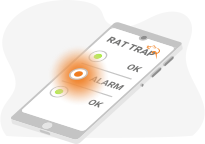
The impact is detected instantly and the rat can be removed within the desired time frame.

You comply with all relevant laws and regulations and get quality assurance of your rat control.

Rat control directly improves your ESG reporting.

You are joining a non-toxic and environmentally friendly pest control programme.

Signs of rats:
Internal pipe shafts, plant basements and service tunnels are among the most exposed places, because they combine warmth, shelter and a network of installations that rats can use as a motorway between floors. External walls with leaking penetrations often provide the initial access, after which the rodents move on to cable trays and eaves voids, where inspection is limited. Older buildings in particular have constructions where masonry meets timber beams without modern sealing systems, and there even small gaps are enough. Once rats establish themselves in these cavities, they build hidden nests where breeding can continue undisturbed through the seasons. That means a surface check is rarely enough to judge the extent of the problem, and a thorough inspection of the whole building fabric is necessary.
Prevention is about minimising access to food, water and shelter, all of which are essential to a rat surviving. Removing or restricting even one of these resources significantly reduces the growth potential of the population. When a property maintains consistent hygiene, well-managed waste handling and tighter building elements, rats are forced to seek other habitats where competition may already be high. Preventive initiatives are therefore more than a safety measure; they are a long-term contribution to the operating economy of the property. Poison-free methods also become easier to sustain when rat numbers are kept down from the start, which fits both environmental requirements and future sustainable practice.
Rat proofing covers technical measures that physically stop rats getting in, rather than simply limiting the conditions they live in. That can mean fitting rat blockers in service connections, replacing defective grates or adding reinforced mesh around ventilation intakes. These barrier elements must be dimensioned for the bite strength of the rodents and placed where inspection is easy, to avoid unforeseen downtime. Combining proofing with continuous monitoring makes it possible to register even minor activity and react before the colony reaches reproductive mass. The choice of materials, such as acid-resistant steel or impact-resistant polymer, affects service life and resilience in aggressive environments like sewers. A professional assessment therefore takes both loading and access conditions into account.
Rat control becomes critical as soon as live animals, droppings or characteristic gnaw marks are observed, because these signs indicate an established colony. At the first indication, emergency rat help should be brought in to prevent spread to neighbouring properties through the sewer or utility lines. Waiting increases the risk of structural damage and production stoppages, which can affect finances far beyond the direct repair costs. Early intervention also makes a poison-free, targeted effort possible, with less environmental impact. Many property managers choose to combine fast control with follow-up monitoring, so recurring activity is identified in time and handled without repeated major interventions.
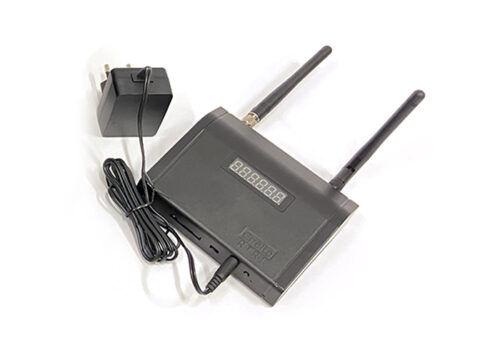
Data-driven traps on subscription allow continuous monitoring without staffed patrols, which lowers the overall effort per installation and secures a fast response to genuine activity. Built-in sensors register temperature and movement, so unnecessary call-outs are avoided, while documented catches are stored in a log that makes auditing and reporting easier. In practice, operations staff can follow the status of several sites through a single platform and plan maintenance precisely as needed. The integration creates a data foundation that helps predict seasonal swings in the rat population and adjust prevention accordingly. Pest control in Holbæk thus becomes both more effective and more transparent for everyone involved.
RatTech uses modern technologies such as data-driven traps that allow continuous monitoring of rat activity. These traps are fitted with sensors registering movement and temperature changes, so only genuine activity triggers a response. That reduces the need for manual inspections and makes it possible to react quickly to potential threats, which matters for protecting both commercial properties and technical installations.
Prevention is a fundamental part of pest control in Holbæk. Identifying and securing potential entry routes minimises the risk of infestation. That includes sealing cracks in buildings, installing rat blockers in sewer systems and regularly inspecting the exterior and interior structures of a property. A well-executed maintenance plan covering these elements is essential to keeping a property rat free. RatTech offers tailored solutions that take account of the specific challenges created by the geography of Holbæk.
Technical installations such as pipe shafts and plant basements are particularly exposed to infestation. These areas offer rats both warmth and shelter, which makes them attractive habitats. To protect them, robust materials such as acid-resistant steel and impact-resistant polymer are used, able to withstand the bite strength of the rodents. Combining physical proofing with continuous monitoring means rat activity is detected and acted on quickly, before it develops into a larger problem. This approach keeps technical installations functional and pest free.
Rats in sewer systems are a persistent problem in Holbæk, and handling them effectively takes a combination of advanced technology and experienced professionals. RatTech uses purpose-designed sewer traps and rat blockers that stop rats moving freely through the network. These solutions are adapted to local conditions and keep sewer systems working properly without the risk of pest infiltration. Putting technical solutions like these in place protects both public and private sewer systems against infestation.
Signs of rats in the sewer include smell nuisance, increased rat activity near drains and visible droppings in inspection chambers. A professional inspection can confirm their presence.
The most effective methods include physically securing entry routes, regular inspection and maintenance, and installing rat blockers in sewer systems.
It is necessary to contact a professional at the first sign of rat activity, such as droppings, gnaw damage or live animals, to avoid further damage and health risks.
Technical installations can be protected by using materials that withstand the bite strength of the rodents and by installing monitoring systems that register activity and allow a fast response.