
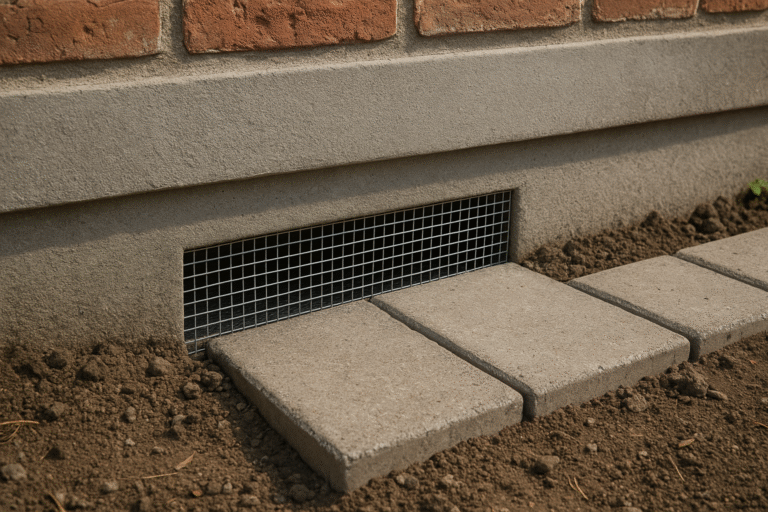
Basement rat proofing involves securing the building's foundation against rat infestation. This is done by using specific materials and methods to prevent rats from gaining access to the interior of the building. Effective protection requires the plinth to be intact and free of cracks.
The recommended materials for rat-proofing plinths include stainless steel mesh with a maximum mesh size of 1 cm, concrete, stone slabs and plastered plinths. These materials are durable and can effectively prevent rats from penetrating.
To ensure an effective barrier against rats, it is crucial that the rat proofing goes deep enough into the ground. The minimum recommended depth is 60 cm, which prevents rats from digging under the protection and gaining access to the building. This depth ensures that even the most persistent rats cannot bypass the protection by digging under it. It's also important to consider the nature of the soil, as loose soil may require the fence to go even deeper to be effective.
Metal mesh installation is a popular method of rat proofing and requires precise installation for maximum effectiveness. The metal mesh should be buried at least 20-30cm into the ground and extend above ground level, creating a physical barrier that rats cannot pass through. Concrete tiles should be laid tightly and firmly so there are no cracks for rats to exploit. It is crucial that the installation is done correctly so that there are no weak points that could compromise the security.
Property owners have a legal obligation to secure their buildings against rats, which includes proper rat proofing of the plinth. Legislation requires plinths to be watertight, with no openings or crevices that can be exploited by rats. Violating these requirements can result in fines and potential health risks. It is therefore crucial to be familiar with local regulations and ensure your property complies with them to avoid legal consequences.
To ensure that the plinth is properly rat-proofed, it should be regularly inspected for cracks, holes and loose materials. It's also important to check that all ventilation openings are secured with metal mesh or stone plates. A thorough inspection can reveal potential weaknesses that need to be addressed to prevent rat infestation. Regular maintenance and inspection is key to maintaining effective rat-proofing.
Preventing rat infestations through the plinth requires a proactive approach where proper securing with recommended materials is crucial. It is important to ensure that the plinth is intact and free from cracks that rats can exploit. Regular maintenance and inspection can help identify and fix potential weaknesses before they become a problem. Maintaining a solid and well-maintained plinth can effectively minimise the risk of rat infestation.
To achieve effective rat-proofing of the plinth, it is crucial to choose the right methods and materials that can resist rats' attempts to enter. A combination of metal mesh and concrete tiles can create a robust barrier. The metal mesh should be made of stainless steel with a maximum mesh size of 1 cm to prevent rats from getting through. Concrete tiles can be laid on top to further strengthen the barrier and ensure there are no weak points.
Even the best materials can be ineffective if not installed correctly. It is important that the metal mesh is dug deep enough, at least 20-30 cm below ground level, and extends above ground level. This creates a continuous barrier that rats cannot pass through. The concrete tiles must be laid tightly and firmly so that there are no cracks that can be exploited. Proper installation ensures that the rat proofing works optimally and prevents rat infestation.
There are legal requirements for property owners to secure their buildings against rats. This includes ensuring that plinths are sealed and without openings that can be exploited by rats. Violating these requirements can result in penalties and health risks. It is therefore important to be aware of and comply with local rat-proofing guidelines. By following the legislation, you can avoid fines and ensure that your property is protected against rat infestation.
To maintain effective rat-proofing, regular inspection of the plinth is necessary. You should check for cracks, holes and loose materials that could give rats access. Ventilation openings should also be inspected to ensure they are protected with metal mesh or stone slabs. Regular maintenance can identify potential weaknesses that can be repaired in time to prevent rat infestations.
Prevention plays a key role in protecting properties from rats. In addition to proper rat-proofing of the plinth, it is important to keep the area around the building clean and free of debris that could attract rats. Combining physical security with good hygiene can minimise the risk of rat infestation. It's also a good idea to keep an eye out for signs of rats, such as chewing marks or droppings, and act quickly if they are detected.
At Rattech, we provide professional rat control and prevention for both private and commercial customers. Our expertise ensures that your property is effectively protected against rats and we offer customised solutions to suit your needs. Contact us for a professional assessment and help securing your property against rat infestation.
Signs of rats in the plinth include gnawing marks, droppings and noises from the walls. Regular inspection can help detect these signs early.
The most effective materials for rat-proofing the plinth are stainless steel mesh, concrete tiles and stone slabs, which are all durable and resistant to rats.
It is recommended to inspect the plinth at least once a year and after severe weather conditions that may affect the integrity of the materials.
A lack of rat proofing can lead to rat infestations that can cause damage to the building and health risks for occupants. It can also lead to legal consequences.