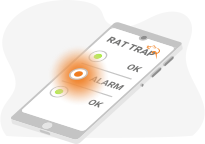
Rat problems cost businesses dearly. Invest in a digital pest solution where we actively control rats on your property.
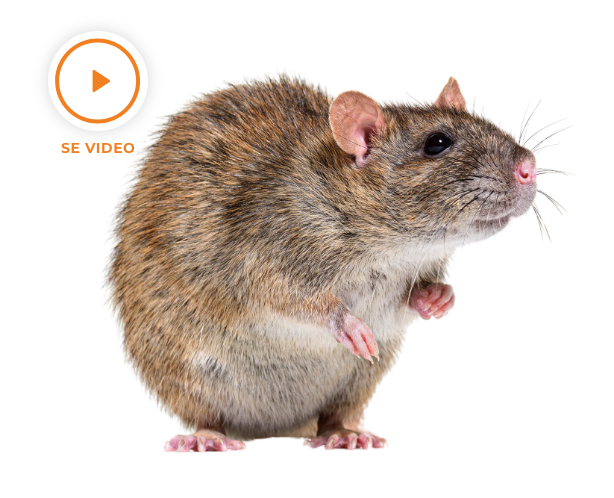
In Roskilde it is important to have effective rat control strategies, since rats can create considerable challenges for both properties and the local infrastructure. Professional rat control is crucial to making sure these pests are handled correctly and effectively. Our approach focuses on prevention, monitoring and control to minimise the risk of rat problems.
Rats in sewer systems are a significant challenge in Roskilde. They often get in through gaps and defective pipes, which can damage infrastructure and increase health risks. Indoors, rats enter buildings through small openings and cracks, which makes it necessary to watch for signs such as droppings and gnaw marks. Identifying and handling these problems early is important to avoiding larger damage.
We offer complete solutions including subscription-based traps that provide ongoing monitoring and control. This system lets us react quickly to rat activity and prevent future infestations. Prevention and rat proofing are central to our approach, where we focus on stopping rats reaching buildings through regular inspection and maintenance. Our aim is to create safe, pest-free environments in Roskilde.
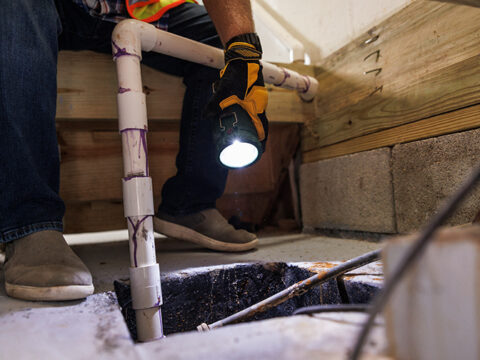
Rats in the sewer thrive in the connected pipe system, where standing water, deposits and gaps provide shelter and food. Once the rodents establish themselves, the integrity of the pipes is undermined, because constant gnawing can perforate joints and create breaks that in turn ease their access to the surface. A compromised sewer network means not only a greater risk of flooding but also of bacteria spreading to surrounding installations. That is why professionals always assess the age, fall and material composition of the sewer when mapping the true extent of an infestation. If leaks are not repaired alongside the control work, the problem usually returns on an even larger scale.

The impact is detected instantly and the rat can be removed within the desired time frame.

You comply with all relevant laws and regulations and get quality assurance of your rat control.

Rat control directly improves your ESG reporting.

You are joining a non-toxic and environmentally friendly pest control programme.

Signs of rats:
Rats in buildings exploit weak points such as ventilation ducts, cable penetrations and inadequately capped pipe ends to get in behind walls and ceilings. Older properties with mixed timber and brick construction in particular have joints that expand when exposed to moisture, creating unprotected passages. Once the rodents are in the cavity, they spread quickly through service shafts, where heating pipes provide stable temperatures all year. Wiring accessories and insulation are often damaged, because rats teeth grow continuously and need wearing down. Electrical short circuits, downtime and expensive repairs follow from even a small gnawed-through cable bundle.
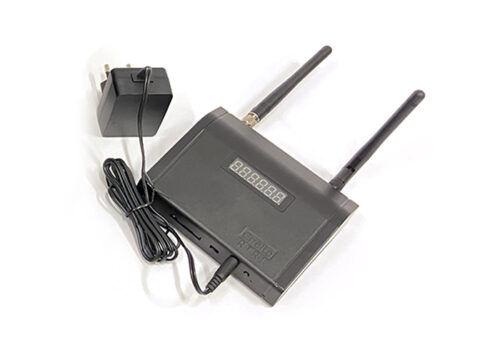
Modern rat control is built on data from sensors that register activity in real time and alert professionals to the exact location and scale. Combining trapping with continuous monitoring documents the movement patterns of the rodents, so the work is adjusted dynamically rather than following fixed intervals. Choosing mechanical trap systems reduces the risk of secondary poisoning of birds of prey and other animals, because no chemical rodenticides enter the food chain. The effectiveness of the approach depends on traps being serviced and calibrated, so trigger mechanisms keep the right pressure sensitivity over time. The result is controlled work with a measurable effect that can be verified through ongoing reporting to the property owner.
Prevention is about eliminating the factors that make an area attractive to rats before actual colonisation occurs. Reduced oversight of waste collection, grease traps that are not cleaned out and broken gully grates create food sources that quickly increase the attraction. When daily operations prioritise prompt removal of organic waste and make sure silt traps are emptied at fixed intervals, the elements rats use to sustain a population are removed. Prevention is not a one-off effort, though; it has to be built into facility management so building elements and installations are assessed at fixed intervals. That way, new weaknesses are registered early, before the rodents exploit them.
Rat proofing combines structural measures such as rat stop valves, mesh-mounted grates and close-fitting door thresholds with ongoing checks of building elements. When these elements form part of the service agreement for a property, replacing worn seals and reviewing pipe runs is planned alongside other technical inspections. Monitoring data from the traps connects directly to the operations system, so alerts about raised activity trigger a check without delay. In practice, complete solutions from RatTech merge with the rest of the property maintenance, which lifts the overall level of protection. It also prevents physical barriers being wrongly placed, because fitters work from currently mapped behaviour data rather than general assumptions.
The situation calls for emergency rat help when rodent activity threatens operations or health in a building here and now, for example when rats are visible in production areas or have bitten into live electrical components. A sudden smell from dead animals in walls, or large finds of droppings in food handling areas, also means intervention cannot wait. The assessment is based on a rapid inspection documenting traces and risk level, after which a technician sets traps and physical blocks the same day. Early intervention limits both costs and secondary damage, because the population is stopped before it reorganises along alternative escape routes. Effective handling therefore requires staff who can attend around the clock and carry out follow-up checks until rat numbers are down to a safe level.
Emergency rat help becomes necessary when rat activity escalates quickly and threatens the operation or health of a property. Visible rats in production areas, bites into live electrical components or a sudden smell from dead animals in walls all demand immediate action. Our technicians respond quickly with an inspection that assesses traces and risk level, and put traps and physical barriers in place straight away. Stopping the population early prevents further damage and cost, because the rats never get the chance to reorganise.
To secure long-lasting solutions against rats, we focus on eliminating the factors that make an area attractive to them. Effective waste handling, regular cleaning of grease traps and maintenance of gully grates are crucial to removing food sources. Prevention has to be an integrated part of running the property, where fixed intervals for checks and maintenance make sure new weaknesses are found and repaired before the rats exploit them.
Sewer cleaning and maintenance are essential to preventing infestations. Rats thrive in sewer systems with standing water and deposits, where they find both shelter and food. Regular cleaning of the sewers removes these conditions and reduces the risk of rats establishing themselves. At the same time, the age and material composition of the sewer is assessed to identify and repair potential weaknesses that could give rats access to the surface.
In Roskilde, rat problems vary depending on the character of the district. Dense housing and older properties can increase the risk of infestation. We adapt our solutions to the specific challenges of each area. Some districts may need extra focus on sewer systems, for example, while others call for particular attention to building construction and access routes.
Rats in the sewer are often detected through signs such as smell nuisance, noises from the pipes or visible damage to manhole covers and pipes. Professional inspections can also reveal rat activity using cameras and sensors.
Effective rat proofing methods include sealing cracks and gaps, installing rat stop valves and regularly checking sewer systems. Maintaining waste handling and removing potential food sources is equally crucial.
Professional rat control should be called in at visible signs of rat activity, such as droppings, gnaw marks or noises from walls and ceilings. Early intervention prevents larger damage and cost.